

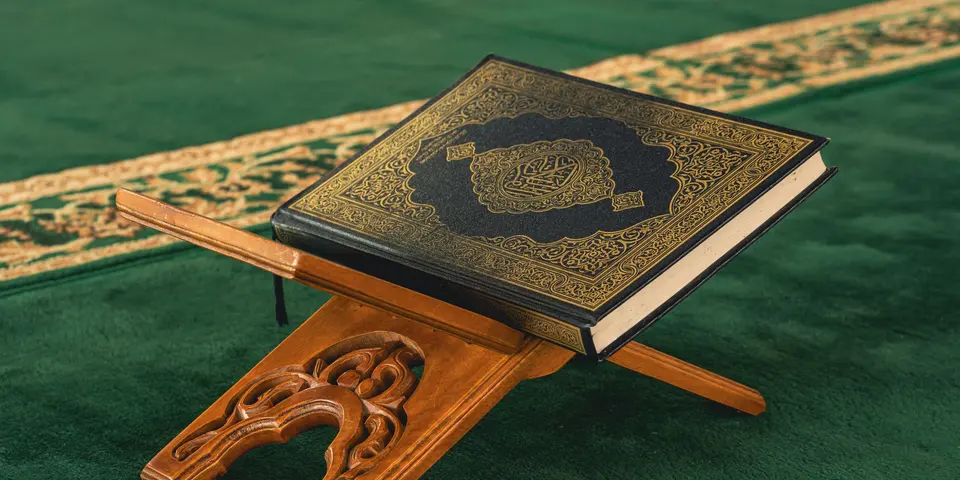
An Islamic will, often called a Wasiyyah, is a will that directs how a Muslim's estate should be distributed according to Islamic principles, while still being a valid, enforceable will under Ontario law. For many Muslims in Ontario, an Islamic will is the tool that lets their estate reflect both their faith and their legal obligations to their family — two things that will not happen automatically without it.
Why Ontario's default rules do not fit
If a person dies without a will, Ontario's intestacy rules under the Succession Law Reform Act decide who inherits, using a fixed statutory formula. That formula is based on provincial policy, not Islamic inheritance. It does not follow the fixed shares of Islamic law (Faraid), it may distribute the estate in proportions that differ from religious obligations, and it does not account for the one-third that may be given as a bequest. In short, dying intestate in Ontario as a Muslim almost certainly means the estate will not be distributed as one's faith requires.
What a Wasiyyah lets you do
A properly drafted Islamic will lets you:
- Direct that your estate be distributed in accordance with Islamic principles, including the fixed shares that apply to your surviving relatives.
- Make permitted bequests within the one-third that may be given to non-heirs or to charity.
- Appoint an executor (estate trustee) you trust to carry out your wishes.
- Name guardians for minor children.
- Record wishes about debts, funeral, and burial in keeping with your faith.
Faith and law together
The key is that the document must satisfy Ontario's legal requirements for a valid will — proper signing and witnessing — while expressing an Islamic distribution. When it does, Ontario law will give effect to it, because the province generally respects a person's freedom to decide who benefits from their estate (subject to limits such as dependant-support obligations). This is why coordinating with both a knowledgeable lawyer and a qualified scholar is so valuable.
Why it should not be left undone
Without a Wasiyyah, a Muslim's estate falls to provincial rules that do not reflect Islamic inheritance, potentially causing both legal and religious concerns for the family left behind. Making the will is a straightforward way to prevent that outcome.
For education only. Islamic inheritance is detailed and scholars may differ — confirm the religious calculation with a qualified scholar and the legal requirements with a lawyer.
This article is general information for educational purposes only and is not legal advice. For advice on your situation, book a consultation.