Overview
Most people need a notary at an inconvenient moment: a bank wants a certified copy today, a university abroad needs a sealed transcript, a child is flying with one parent next week. The document is usually simple. What causes the delay is having it signed or certified the wrong way, and finding out only when it is rejected.
We notarize and commission documents with a lawyer overseeing the work, so the certificate matches what the receiving institution actually requires — and if the document is going overseas, you leave knowing what happens next.
How we help

Notarizing documents
We witness your signature, confirm your identity and apply the notarial seal. Because a notary in Ontario holds every power a commissioner does and more, one appointment covers most requirements — including documents that will be used outside the province, which a commissioner cannot certify.
Commissioning affidavits
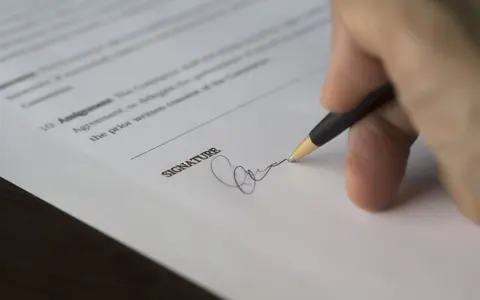
An affidavit is evidence given under oath in writing, used in court applications, insurance claims and government filings. We administer the oath or affirmation, watch you sign, and complete the jurat. Bring the document unsigned: an affidavit signed in advance generally has to be sworn again.
Statutory declarations
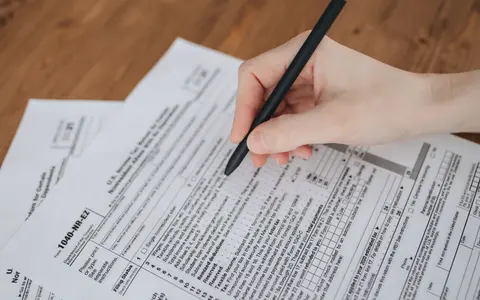
A statutory declaration states facts formally without a court proceeding behind it — commonly used for name discrepancies, proof of identity, insurance and pension matters. It is sworn the same way as an affidavit, and carries the same consequences for saying something untrue.
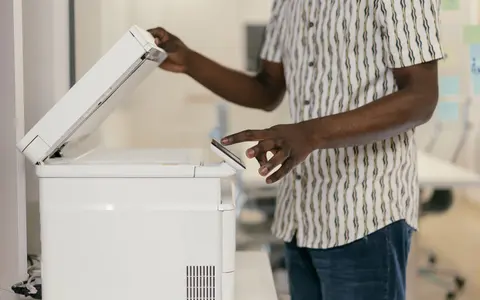
Certified true copies
We compare a copy against the original in front of you and certify that it matches. Bring the actual original: a photocopy, scan or photograph of a document cannot be certified, no matter how clear it is. This is one of the powers a notary has that a commissioner does not.

Travel and consent letters
When a child travels without both parents or guardians, border officers may ask for written consent from the non-accompanying parent. We prepare and notarize the letter with the details officials look for — the child, the travel dates, and who is consenting.

Documents going abroad
Documents used in another country usually need something after notarization. For the many countries in the Apostille Convention that is now a single apostille certificate rather than the old two-step chain. We notarize the document correctly for that route and explain the step that follows.

Institutional forms and invitation letters
Banks, pension providers and schools often supply their own form with their own signing block — a proof-of-life attestation, an OSAP declaration, a letter supporting a visitor visa. We complete these in the form that institution requires, rather than a generic notarial certificate that may come back rejected.
How it works
- 1
Tell us what you have
Call and describe the document and where it is going. That is usually enough for us to tell you what is required and what it will cost.
- 2
Book a time
Appointments are generally available quickly, including Saturdays between 10 and 3, which is often easier than taking time off work.
- 3
Bring your document and ID
Unsigned unless told otherwise, with valid government photo identification, and the original if a copy is being certified.
- 4
We notarize it
We confirm your identity, administer the oath if one is needed, witness the signature and apply the seal — usually in a few minutes.
- 5
We explain what comes next
If the document needs an apostille or has to go to a particular office afterwards, you leave knowing exactly what that step is.
What is the difference between a notary public and a commissioner of oaths?
A commissioner for taking affidavits can administer oaths and take affidavits, statutory declarations and affirmations. That is the whole of the role, and it is enough for a great many everyday documents used inside Ontario.
A notary public can do everything a commissioner can, and additionally certify that a signature, mark or copy of a document is true or genuine. The two roles come from separate Ontario statutes — the Commissioners for Taking Affidavits Act and the Notaries Act.
The practical consequence is simple. If you need a certified true copy, or the document is leaving the province or the country, you need a notary. If you are swearing an affidavit for use in Ontario, a commissioner is generally sufficient. Some people holding particular offices, lawyers among them, are commissioners automatically without applying.
What do I need to bring to a notary appointment?
Bring the document unsigned unless you have been told otherwise. Many documents — affidavits and statutory declarations especially — must be signed in the notary's presence, and signing beforehand usually means doing it again.
Bring valid government-issued photo identification. If you are having a copy certified, bring the original document, not a copy of it: certification is a statement that the copy was compared against the original.
If the document is going to a specific institution or another country, tell us which when you book. The wording of the notarial certificate is not one-size-fits-all, and knowing the destination lets us use the right form and flag any step that has to follow.
Do you notarize documents written in another language?
A notary can witness a signature or administer an oath on a document in another language, because what is certified is the signing rather than the content. What a notary cannot do is vouch for a translation they are not qualified to assess.
Where the receiving authority wants the document translated, they usually require a certified translation, sometimes with the translator's own affidavit attesting to its accuracy — and we can notarize that affidavit. We serve clients in English, Urdu, Hindi and Punjabi, so we can explain what you are signing in a language you are comfortable in.
Can a document be notarized online?
Remote notarization by audio-visual link is permitted in Ontario in defined circumstances, and for some documents it is a sensible option. It is not universally accepted, though, and the deciding factor is usually the body receiving the document rather than what is technically allowed.
Anything headed for an apostille normally still needs a wet-ink signature and a physical seal, because the provincial authority works from the original paper document. If you are unsure, ask the receiving institution before booking.
What it costs
Notary work is quoted per document rather than by the hour, because most of it is a defined task with a predictable amount of work in it. Tell us what you have and where it is going and we will give you the price before you book.
If the notarization turns out to be part of something larger — an estate, a real estate closing, an immigration application — we will say so rather than quietly notarizing a document that does not do what you need. The 30-minute consultation is free either way.
What you walk out with
A properly executed document is one that the receiving institution accepts without coming back to you. That means the right certificate wording, a legible seal, correct dates, and identification checked and recorded.
- A document signed, sworn or certified in the correct form
- The notarial seal and signature the receiving body expects
- A clear answer on whether an apostille or further step is needed
- A copy for your own records where that is useful
Timing worth knowing
Notarization itself is quick. What takes time is anything that has to happen afterwards, so work backwards from the date the document is actually needed.
- Documents going to an Apostille Convention country — Since the Convention came into force for Canada on 11 January 2024, one apostille certificate replaces the older authentication-and-legalization chain. Ontario issues apostilles for documents notarized in Ontario through its own designated authority, so the whole route can stay within the province.
- Documents going elsewhere — For countries outside the Convention the older process still applies: notarization, then authentication, then legalization by that country's consulate. Allow meaningfully more time, and check the consulate's own requirements early — they vary a great deal.
- Travel consent letters — Prepare these well before departure rather than the night before. If the other parent has to sign and they are not local, that alone can take longer than the notarization.
- Court and tribunal affidavits — These are governed by the filing deadline in your proceeding, not by us. Bring the deadline to the appointment so nothing is left to the last afternoon.
Why Lexwood Law
- A lawyer oversees the work, so the certificate matches what the receiving institution requires
- Saturday appointments between 10 and 3, when most offices are closed
- Service in English, Urdu, Hindi and Punjabi
- Clear pricing quoted before the appointment, not after
- If your document is part of a bigger legal matter, we can handle that too — nine practice areas under one roof
Common questions
What should I bring?
The document, unsigned unless you have been told otherwise, and valid government-issued photo identification. If you are having a copy certified, bring the original — a copy of a copy cannot be certified.
Do you do certified true copies?
Yes. We compare the copy against the original in front of you and certify that it matches. This is a notary power specifically; a commissioner for taking affidavits cannot do it.
How much does it cost?
It depends on the document and the number of signatures. Tell us what you have when you book and we will quote before you commit.
What is the difference between a notary public and a commissioner of oaths?
A commissioner can administer oaths and take affidavits and declarations for use in Ontario. A notary can do all of that and can also certify signatures and true copies, which is why documents leaving the province usually need a notary.
Can you notarize a document in another language?
We can witness the signature or administer the oath, because what is certified is the signing rather than the content. If the receiving body needs the document translated, that generally calls for a certified translation, and we can notarize the translator's affidavit.
Do I need an apostille?
If the document is going to a country in the Apostille Convention, usually yes, and it replaces the older authentication and legalization steps. Tell us the destination country and we will tell you which route applies.
Can this be done over video?
Remote notarization is permitted in defined circumstances, but acceptance depends on the body receiving the document, and anything headed for an apostille normally needs the original on paper. Check with them before booking.
Do I need an appointment?
Booking is best, so we can confirm what to bring and quote the fee in advance. Call 1.888.973.4280 and we will find a time, including Saturdays.
This page is general information, not legal advice. Every matter is different — book a consultation for advice on your situation.