

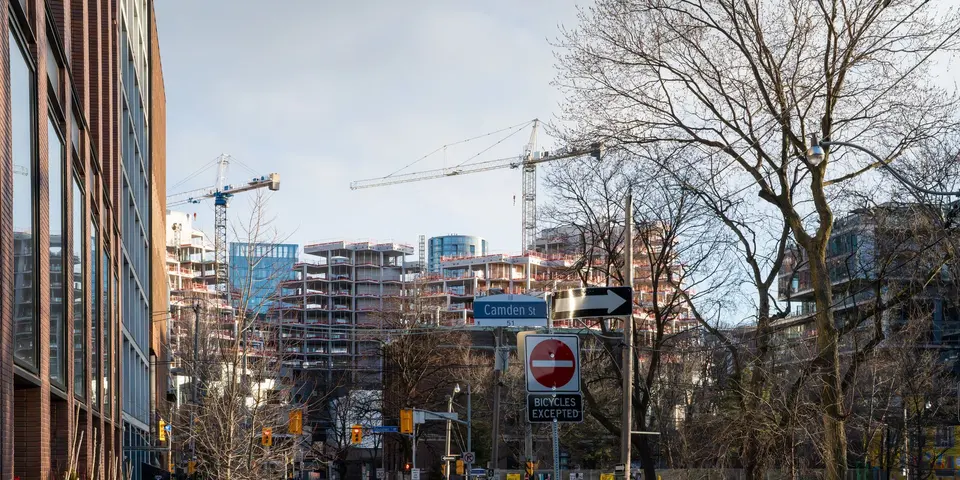
Buying a brand-new or pre-construction home is different from buying a resale property, and it comes with protections that resale buyers do not have. These protections exist because pre-construction buyers often commit long before the home is finished, based on disclosure documents rather than a house they can walk through. Understanding them helps you use the time they give you.
The 10-day rescission period for new condos
For a new (pre-construction) condominium, Ontario's Condominium Act provides a 10-day statutory rescission period — commonly called the "cooling-off" period. It begins after you receive both a signed copy of the agreement and the disclosure statement from the builder. During those 10 days, you can cancel the purchase for any reason at all, and get your deposit back. You do not need to justify the decision.
This window exists precisely so that a buyer can have a lawyer review the agreement and the disclosure statement — which describe the building, the budget, the proposed rules, and the developer's rights — while cancellation is still an option. It is a genuine opportunity, but it is short, so acting promptly matters.
Disclosure statements and later changes
The disclosure statement is a detailed document about the future condominium. If the developer later makes a material change to it, there can be further rights to notice and, in some cases, to cancel, depending on the nature of the change. A lawyer can explain what counts as a material change and what your options are if one occurs.
New freehold homes and warranties
New freehold homes are not covered by the condominium cooling-off rule, but they come with their own protections through Ontario's new-home warranty framework, which provides warranty coverage against certain defects and deposit protection. The warranty regime and the body that administers it set out what is covered and for how long.
Using your protections wisely
- Diarise the start and end of any cooling-off period the moment you sign.
- Have a lawyer review the agreement and disclosure statement within the window, not after it closes.
- Understand the deposit structure and how your deposits are protected.
- Ask about the developer's rights to change the project, delay closing, or add charges.
Takeaway: Use the cooling-off window to have a lawyer review the agreement and disclosure statement, and confirm the current rules, because the protections differ between new condos and new freehold homes.
This article is general information for educational purposes only and is not legal advice. For advice on your situation, book a consultation.